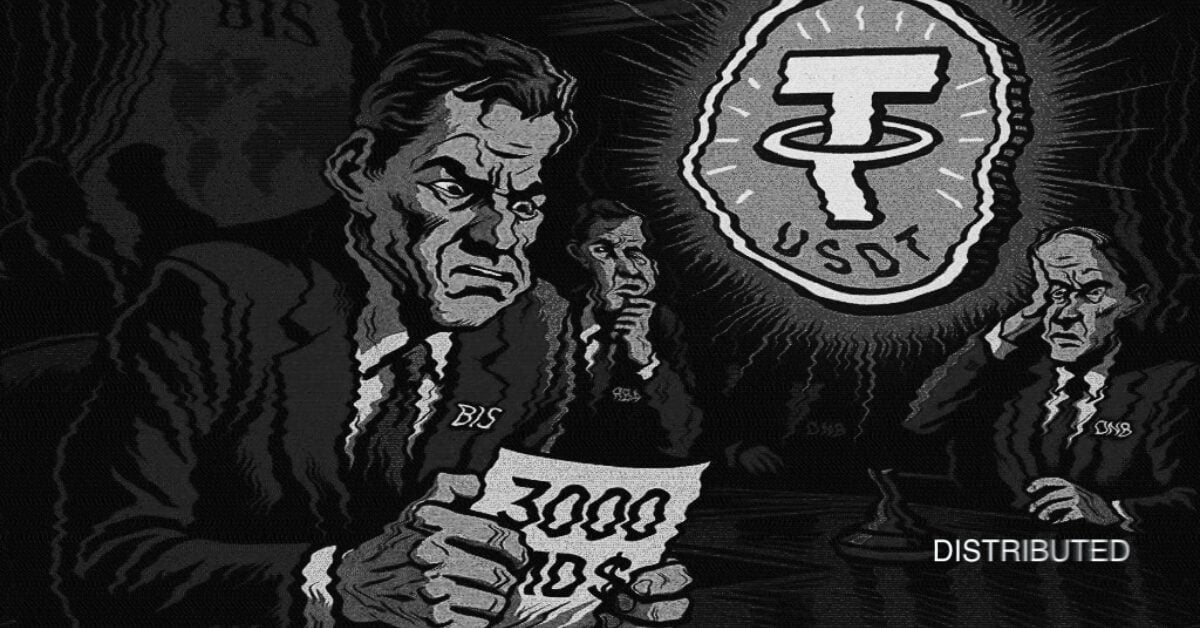
- BIS says dollar-backed stablecoins may destabilize financial systems and are prone to run-like events.
- Rapid stablecoin growth exposes global regulatory gaps and threatens cross-border compliance.
The Bank for International Settlements (BIS) has cautioned that a US dollar-backed stablecoin could threaten financial stability, a report reveals.
Pablo Hernández de Cos, BIS’s general manager, explained that the leading tokens, such as USDt and USDC, behave more like investment products than cash-like money. He cited the tokens’ fees, redemption conditions, and occasional price deviations.
According to Hernández, these stablecoin reserves include government securities and bank deposits. He warns that large-scale withdrawals during stress periods could force rapid asset sales or put pressure on banks. He also cautioned that stablecoins running on public blockchains can fall outside traditional anti-money laundering safeguards, raising the risk of misuse.
BIS sentiments come when European authorities are weighing tighter restrictions on non-Euro stablecoins, while the European Central Bank emphasizes their vulnerability to run-like events. At the same time, jurisdictions such as the UK and Switzerland are working on stricter regulatory frameworks and controlled pilot initiatives.
See Related: SEC Scales Back Crypto Focus, Exempts Some Stablecoins From Securities Rules
Prone To Liquidity Pressures And Regulatory Gaps
As dollar-backed stablecoins scale globally, their growing integration with traditional finance introduces new liquidity risk and oversight challenges.
Unlike a conventional bank deposit, stablecoin reserves depend on a mix of short-term government securities and commercial bank holdings. These assets may need to be quickly liquidated in times of market stress. This dynamic can amplify volatility in the crypto and traditional financial systems.
Andrew Bailey, British central banker and Governor of the Bank of England, adds to this concern. He notes that progress in establishing international standards for stablecoins has been too slow, leaving gaps in oversight.
At the same time, regulatory fragmentation across jurisdictions leaves gaps in supervision, particularly around transparency and cross-border compliance. This makes coordinated global standards increasingly critical.

Affiliate link — we may earn a commission.